Natural Stone
Marble Slurry: Environmental Risks, Management and Profitable Reuse
By ATTPL Mining · · 2 min read
How marble processing units can manage marble slurry responsibly — settling, drying and dumping rules — and reuse it in bricks, tiles, cement, roads and other products.
What is marble slurry?
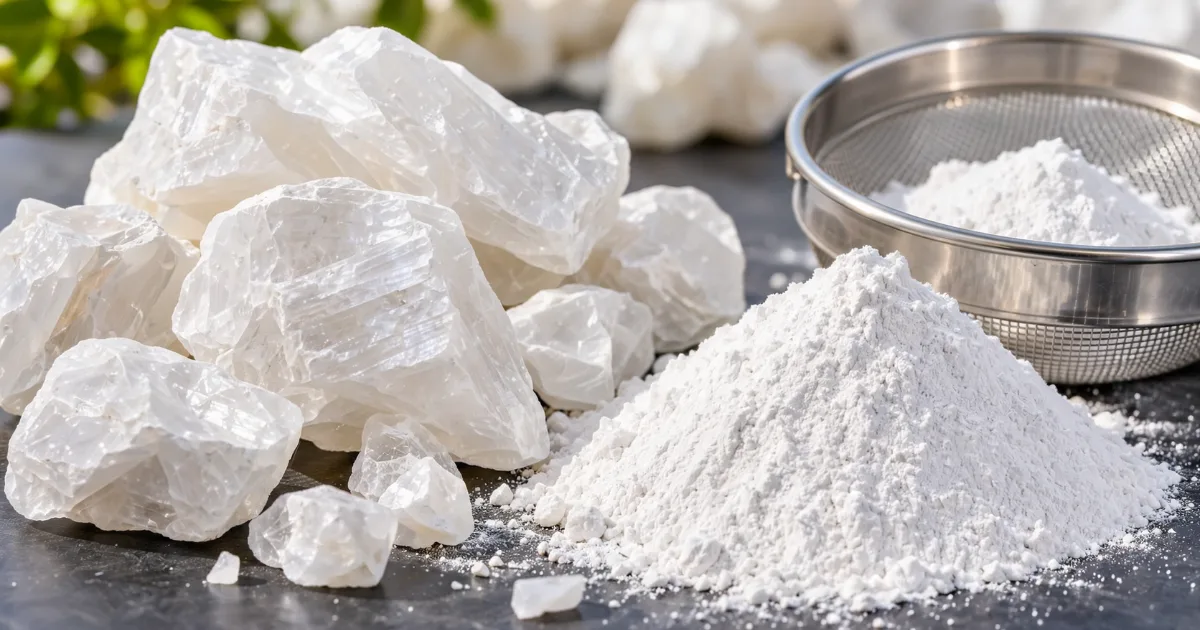
When marble blocks are cut and polished, water is used to cool the blades and carry away fine stone powder. The result is marble slurry — a white paste of water and fine calcium carbonate particles. Rajasthan's large marble processing clusters generate significant quantities every day.
Why it is a problem
Dumped carelessly, slurry dries into fine dust that spreads with wind, settles on crops and vegetation, chokes drains and reduces soil permeability. It can affect groundwater recharge and air quality around processing areas. Pollution control authorities therefore require processing units to manage slurry properly and dispose of it only at designated sites.
Good practices in the processing unit
- Collect slurry in lined settling tanks and recycle clear water back into the cutting process
- Dry the settled slurry before transport to reduce weight and spillage
- Use covered vehicles and approved dumping yards only
- Keep records of quantities generated, reused and disposed
- Follow conditions in your pollution control board consent
Reuse opportunities
Because marble slurry is mostly calcium carbonate, it can replace part of the raw material in many products. Research and pilot projects have shown uses in:
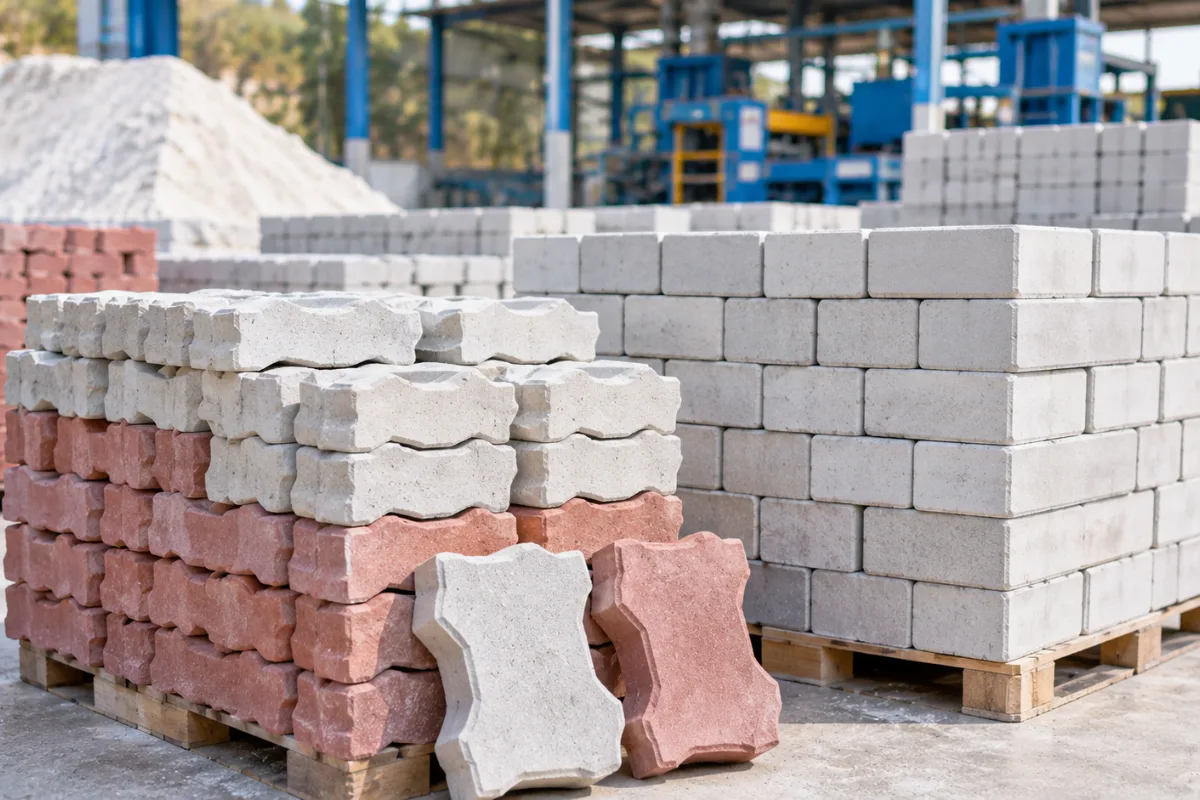
- Bricks, paver blocks and hollow blocks
- Cement manufacturing and as a filler in concrete
- Road construction and embankments
- Wall putty, tile adhesives and some ceramic products
- Soil treatment in specific acidic soils (with expert advice)
Each use needs testing for strength, durability and environmental safety. Engage with research institutions and follow applicable standards.
Turning waste into business
Clusters that build collection and reuse systems reduce costs, improve community relations and create new revenue. Processing units can partner with brick and block makers or invest in small reuse plants. Our guide on marble vs vitrified tiles explains why natural marble remains a strong product when produced responsibly.
Support
ATTPL Mining & Minerals works with Rajasthan stone and mineral producers and buyers. For project planning and compliance, ATTPL Consultancy can assist, and infrastructure applications are discussed by ATTPL Infra.
Frequently asked questions
What is marble slurry made of?
Mainly fine calcium carbonate particles mixed with water from cutting and polishing marble.
Can marble slurry be used to make bricks?
Yes, studies and pilot projects show it can partly replace raw materials in bricks and blocks, subject to testing for strength and durability.
Where should marble slurry be disposed of?
Only at designated dumping yards approved by authorities, after drying, as per pollution control board conditions.
Sources and further reading
This article is general information for buyers and industry users. Specifications vary by deposit and processor; always test samples and confirm requirements for your application.