Industrial Minerals
Quicklime and Hydrated Lime: Uses, Grades and Buying Tips
By ATTPL Mining · · 2 min read
A buyer's guide to quicklime and hydrated lime from Rajasthan limestone: uses in steel, construction, water treatment and chemicals, key quality parameters, safe handling and packing.
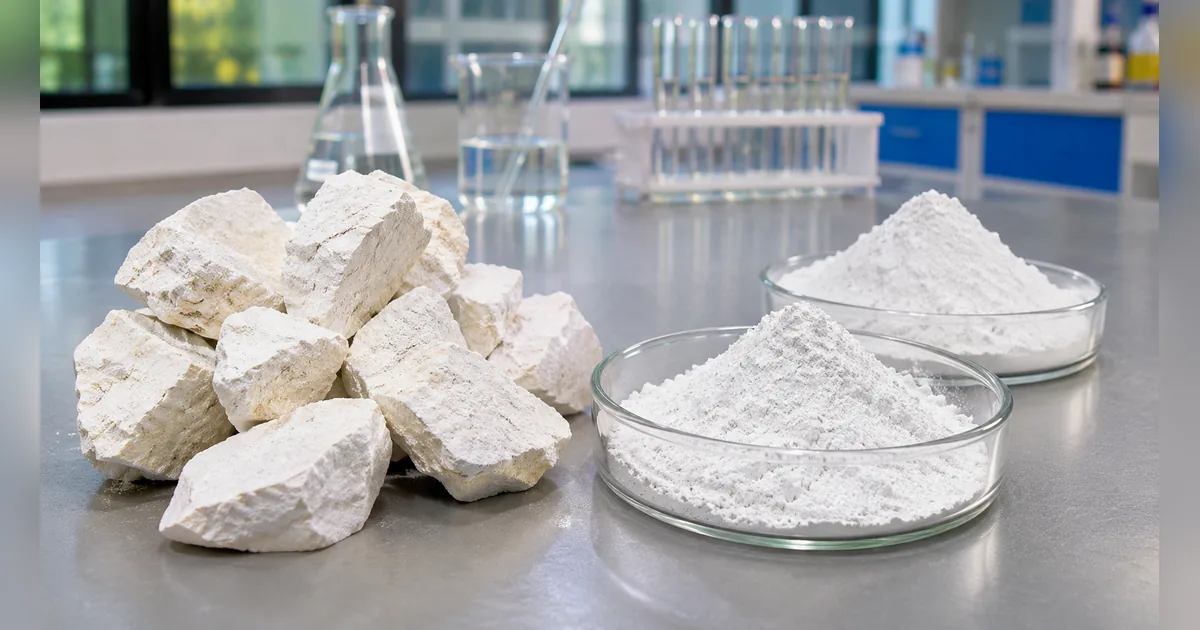
Main uses
Lime made by burning limestone is used across steel, construction, water treatment, sugar and chemical industries. Rajasthan's limestone deposits make it an important source.
- Steelmaking flux
- Construction mortars and soil stabilisation
- Water and effluent treatment
- Sugar refining and chemicals
Quality parameters
Buyers usually check available lime (CaO) content, reactivity, residue, particle size and moisture. Ask for a certificate of analysis and test samples in a lab, as in our sampling guide. For raw stone, see limestone and dolomite uses.
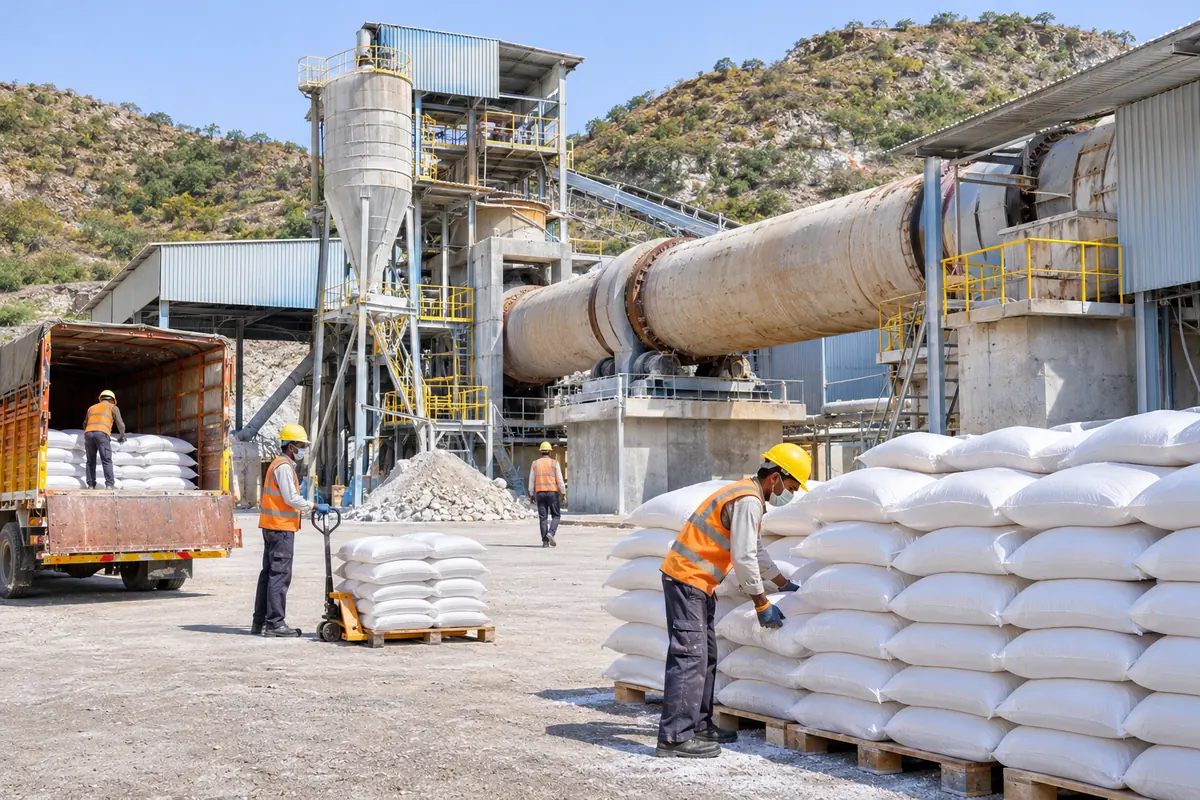
Safe handling
Quicklime reacts strongly with water and can burn skin and eyes. Store dry, use gloves, goggles and masks, and follow the supplier's safety data sheet.
ATTPL Mining & Minerals
ATTPL Mining & Minerals connects buyers with verified suppliers in Rajasthan. Toll-free: 1800 890 0815.
Frequently asked questions
What is the difference between quicklime and hydrated lime?
Quicklime is calcium oxide; hydrated lime is quicklime reacted with water to form calcium hydroxide.
How is lime packed?
Usually in bags or bulk, depending on grade and order size.
Does lime absorb moisture?
Yes, especially quicklime; store it dry and use it promptly.
Sources and further reading
This article is general buying information, not technical or safety certification.