Compliance & Safety
Dust Control at Quarries and Crushers: A Practical Air Quality Guide
By ATTPL Mining · · 2 min read
How quarry and stone-crusher operators can reduce dust — water sprays, enclosures, haul road management, green belts, worker protection and monitoring.
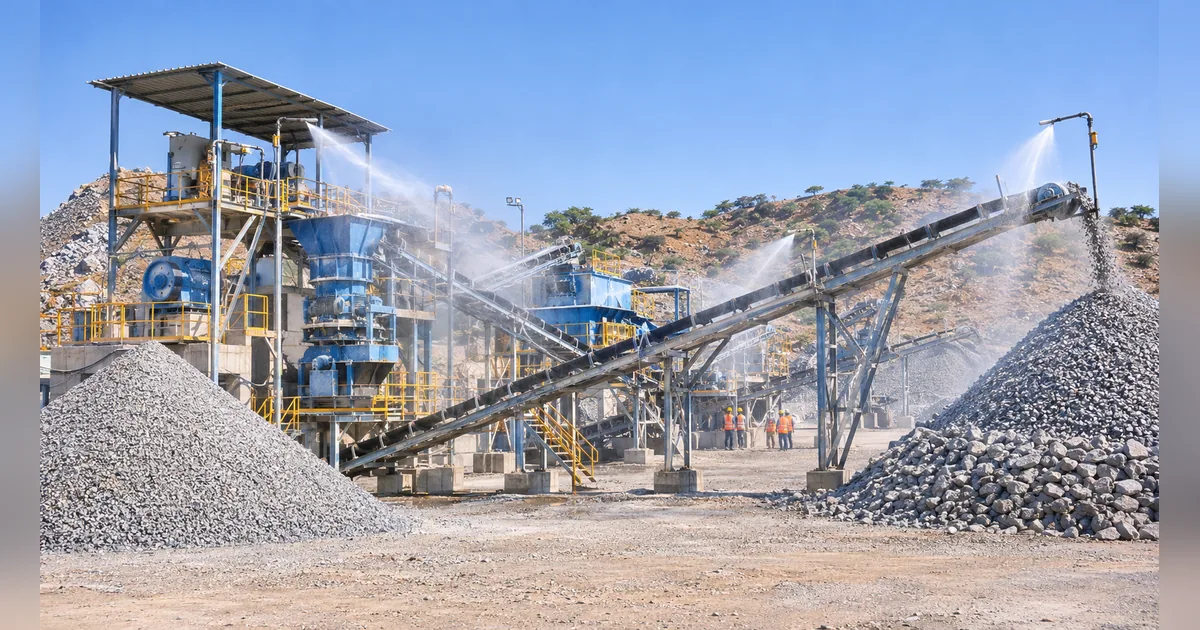
Main sources of dust
See also: Garnet Abrasive: Uses, Grades and What Buyers Should Check
Dust from drilling, blasting, crushing and hauling affects workers, neighbours and crops. Good dust control protects health, avoids complaints and keeps operations compliant.
Drilling and blasting, crushing and screening, conveyor transfer points, loading and haul roads are the main sources. Fine silica dust is the most harmful to health.
Practical controls
- Water sprays or mist at crushers, screens and transfer points
- Enclosures and covers on conveyors and screens
- Regular water spraying and speed limits on haul roads
- Covering loaded trucks
- Green belts around the site
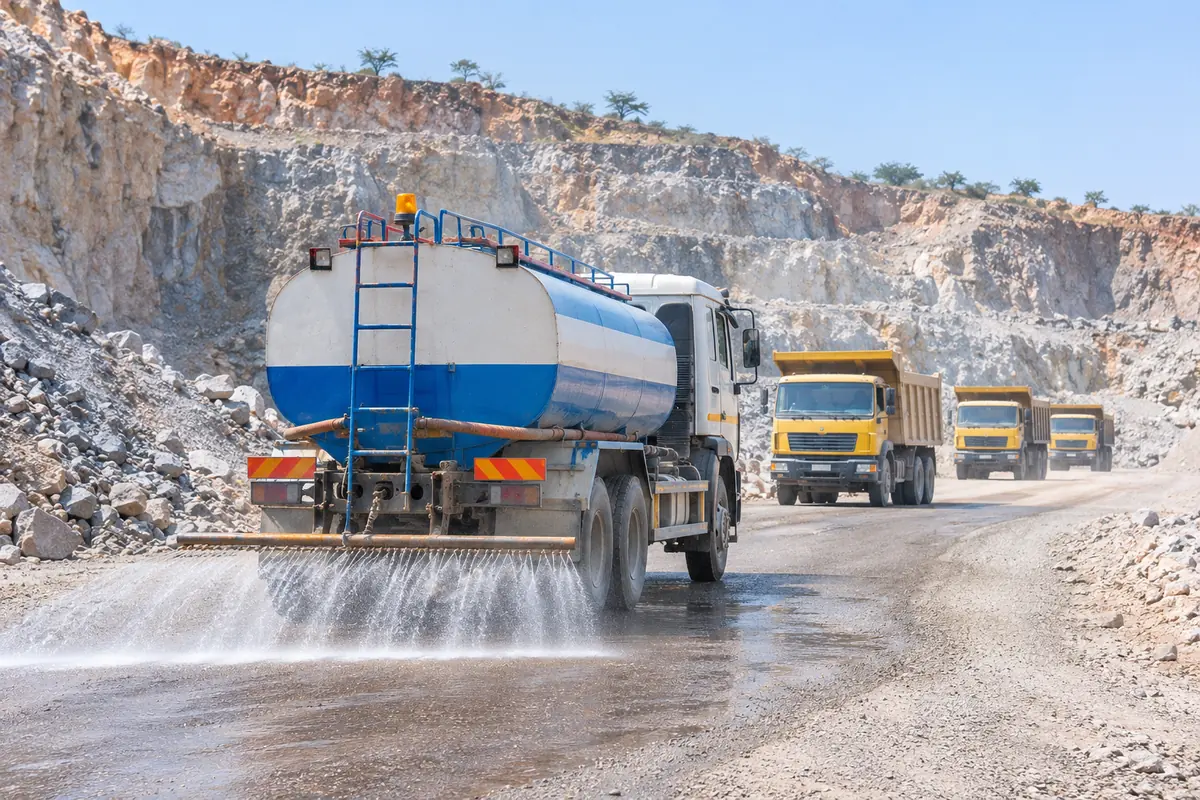
Protect workers
Provide proper dust masks or respirators, regular health check-ups including lung function where advised, and training. Silicosis is preventable with good controls. Keep records of monitoring as required by pollution control rules. Related reading: stone slab yard safety and responsible sourcing.
How ATTPL Mining helps
ATTPL Mining works with compliant quarries and suppliers, and ATTPL Healthcare can support worker health camps. Toll-free: 1800 890 0815.
Frequently asked questions
What is the simplest dust control step?
Regular water spraying at crushers and on haul roads makes a big difference.
Why is silica dust dangerous?
Long exposure can cause silicosis, a serious lung disease.
Do dust masks help?
Yes, if the right type is worn correctly and replaced as needed, along with other controls.
Sources and further reading
This article is general information, not legal or occupational health advice.